Dental tip: Cap the toothpaste but not the toothbrush. Covering encourages the growth of bacteria. Don't forget to floss!


1. Stop eating sweet snacks! Although we all crave sweets,snacking on them definitely make us predisposed to tooth decay, and even make us more at risk for developing diabetes. Constantly dosing yourself with sucrose can cause tooth decay since will tend to make your teeth exposed to a more acidic environment since the bacteria coating your teeth easily metabolize sucrose. Acids are a byproduct of their metabolism.
2. Have at least two dental cleanings a year. I find that the majority of patients although they mean to, actually do not achieve this goal. It turns out that on the average they have about one cleaning every 8-10 months. For this reason, I and other dentists avdvocate pre-appointing our patients recall appointments. Although many patients prefer a six month call to remind them that it is time, this practice is more likely to result in cleanings scheduled less frequently than every six months.
3. Go ahead and restore that tooth that your dentists keeps reminding you to crown. Why wait until it starts hurting? Although few patients looking forward to having a crown done, procrastinating is not a good idea.
4. Stop chewing on hard things that can result in chipped or cracked teeth. Chewing on ice cubes, bones, hard candies, pens, pipe stems or finger nails can definitely damage your teeth.
5. Stop smoking. Aside from the obvious health problems associated with smoking, its bad for the health and appearance of your teeth. It is associated with bad breath, yellowing of teeth, staining of teeth, periodontal disease and oral cancer.
6. Start using a good electric tooth brush. Although many people feel that a standard tooth brush is all they need, most benefit from using a good electric model. Most require less time and technique to do a thorough job.
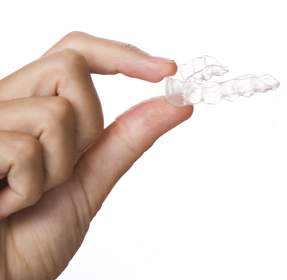
7. Although most people would benefit from wearing a night guard few choose to wear one. As a dentist practicing for over thirty years that the majority of patients experience wear and chipping of their teeth associated with bruxism. Most are unaware of this night time activity but wear patterns of anterior teeth are a definite tell tale sign of this nighttime activity. If your anterior teeth are displaying wearing at the edges then most likely a night guard would be beneficial.
8. If you have whitened your teeth more than a year ago then its time to perform a touch up. These can easily be performed in a night or two if you have a set ofcustom whitening trays.
9. Start cleaning the plaque from between your teeth. Forty percent of tooth surfaces are not cleaned by brushing alone. Using floss, stimudents or a small interdental brush will clean the areas that your brush misses. Reducing interproximal plaque will definitely lessen gingival inflammation and give their gums a healthier appearance.
10. Improve your smile. Although this sounds like a blatant plug for cosmetic dentistry I truly believe it is not without merit. I have witnessed the change in patients after having some minor cosmetic modifications of the their anterior teeth. Once whatever was making them self conscious about their smile is fixed they seem to smile more easily and more frequently. There are plenty of articles proposing that happy people are probably healthier. Stress and worry can cause us to lose sleep, weaken our immune systems and develop health problems. If having an attractive smile encourages us to smile more then just possibly we will experience more happiness. If minor tooth movement, whitening or minor bonding might help, why not go ahead and treat yourself to a better smile this year.

The average 17-year-old in this country has more than three decayed teeth!
How do sugars attack your teeth?
Invisible germs called bacteria live in your mouth all the time. Some of these bacteria form a sticky material called plaque on the surface of the teeth. When you put sugar in your mouth, the bacteria in the plaque gobble up the sweet stuff and turn it into acids. These acids are powerful enough to dissolve the hard enamel that covers your teeth. That’s how cavities get started. If you don’t eat much sugar, the bacteria can’t produce as much of the acid that eats away enamel.
How can I “snack smart” to protect myself from tooth decay?
Before you start munching on a snack, ask yourself what’s in the food you’ve chosen. Is it loaded with sugar? If it is, think again. Another choice would be better for your teeth. And keep in mind that certain kinds of sweets can do more damage than others. Gooey or chewy sweets spend more time sticking to the surface of your teeth. Because sticky snacks stay in your mouth longer than foods that you quickly chew and swallow, they give your teeth a longer sugar bath. You should also think about when and how often you eat snacks. Do you nibble on sugary snacks many times throughout the day, or do you usually just have dessert after dinner? Damaging acids form in your mouth every time you
eat a sugary snack. The acids continue to affect your teeth for at least 20 minutes before they are neutralized and can’t do any more harm. So, the more times you eat sugary snacks during the day, the more often you feed bacteria the fuel they need to cause tooth decay. If you eat sweets, it’s best to eat them as dessert after a main meal instead of several times a day between meals. Whenever you eat sweets - in any meal or snack - brush your teeth well with fluoride toothpaste afterward.
 It may come to a surprise to you that drinking sport drinks like Gatorade is not better than drinking soda. Here is basically why: Gatorade amongst other sport drinks have acidic content which are bad for your enamel by eroding your dentin and can damage your teeth. According to New York University College of Dentistry, the sport drinks (soft drinks) have high acid content which has a weakening effect on your teeth enamel thus allowing bacteria to get into the cracks and crevices in the teeth. What’s worse is that if you brush your teeth after having a sports drink, you are risking abrasion against already softened enamel, thus irritating the teeth even more. Avoid Soft Drinks/Sodas and be healthy!
 Our practice continues to grow thanks to your kind referrals. We appreciate your vote of confidence in us. Thanks for making our practice successful and yes we always have room for friends and family!
 Our office is in Portland this week for a dental seminar. It's important to us to stay on top of the latest developments in dentistry so that we can serve you, our patients. It is beautiful here!

In other words, we help you be or become as healthy as you choose. Instead of just telling you how healthy you ought to be, we will try to help you understand your choices about dental health and then let you make a free and informed decision. Your first choice in this regard is how you would like to begin with us. There are five levels on which people may choose to be seen in our practice:"Our purpose is to help people achieve the highest level of dental well-being and in so doing, to enhance the quality of their lives."
1) 38.5 days total days an average American spends brushing teeth over lifetime.
2) 73% of American would rather go grocery shopping than floss.
3) A toothpick is the object most often choked on by Americans
4) Every year, kids in North America spend close to half a billion dollars on Gum.
5) The average woman smiles about 62 times a day! A Man? Only 8! Kids laugh around 400 times a day and Grown-ups just 15! Smilers in school yearbooks are more likely to have successful careers and marriges than poker faced peers
6) More people use blue toothbrushes than red ones.
7) Dentists have recommended that a toothbrush should be kept at least 6 feet away from the toilet to avoid airborne particles resulting from the flush

9) The second most common disease in the United States is tooth decay. The first is the common cold.